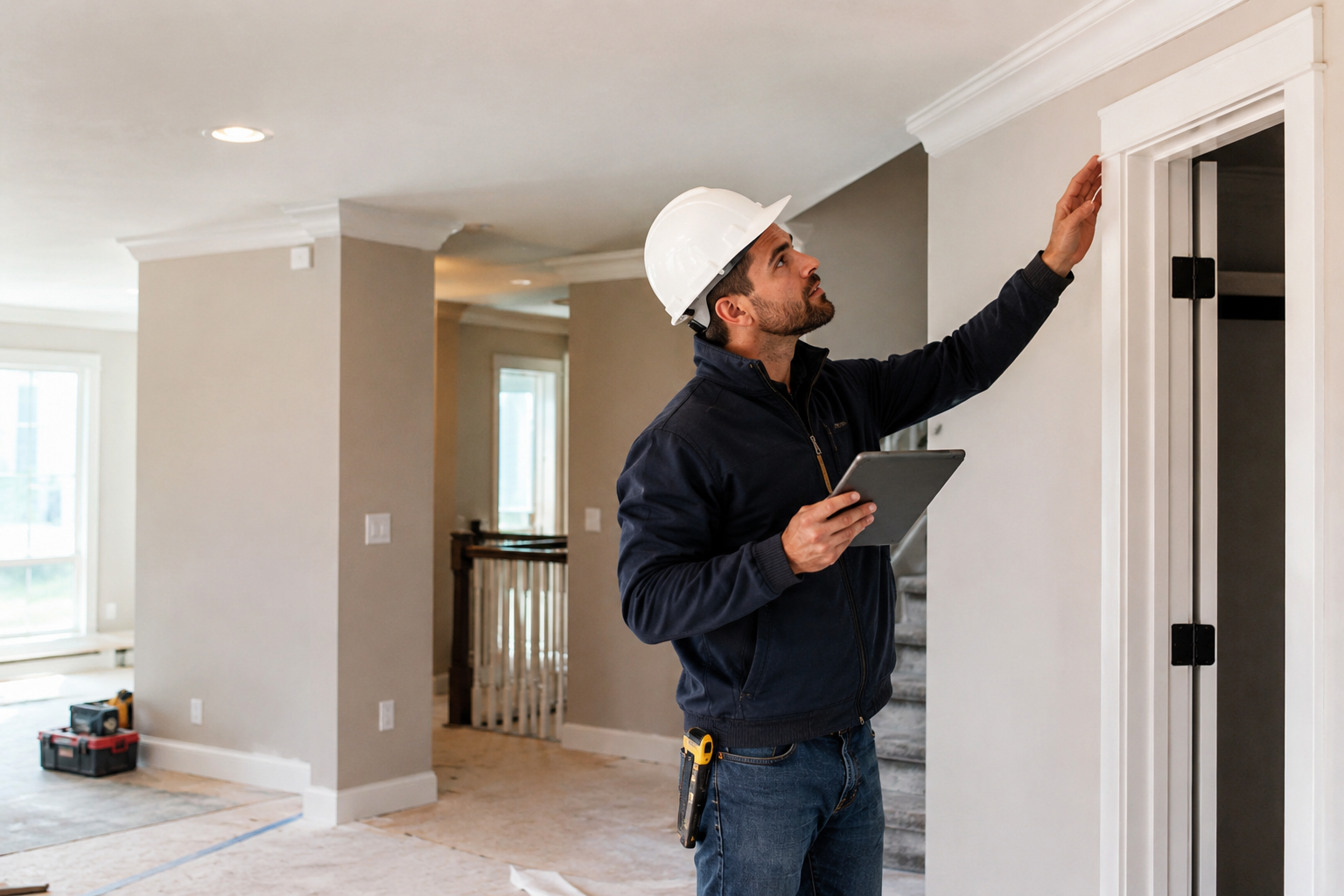
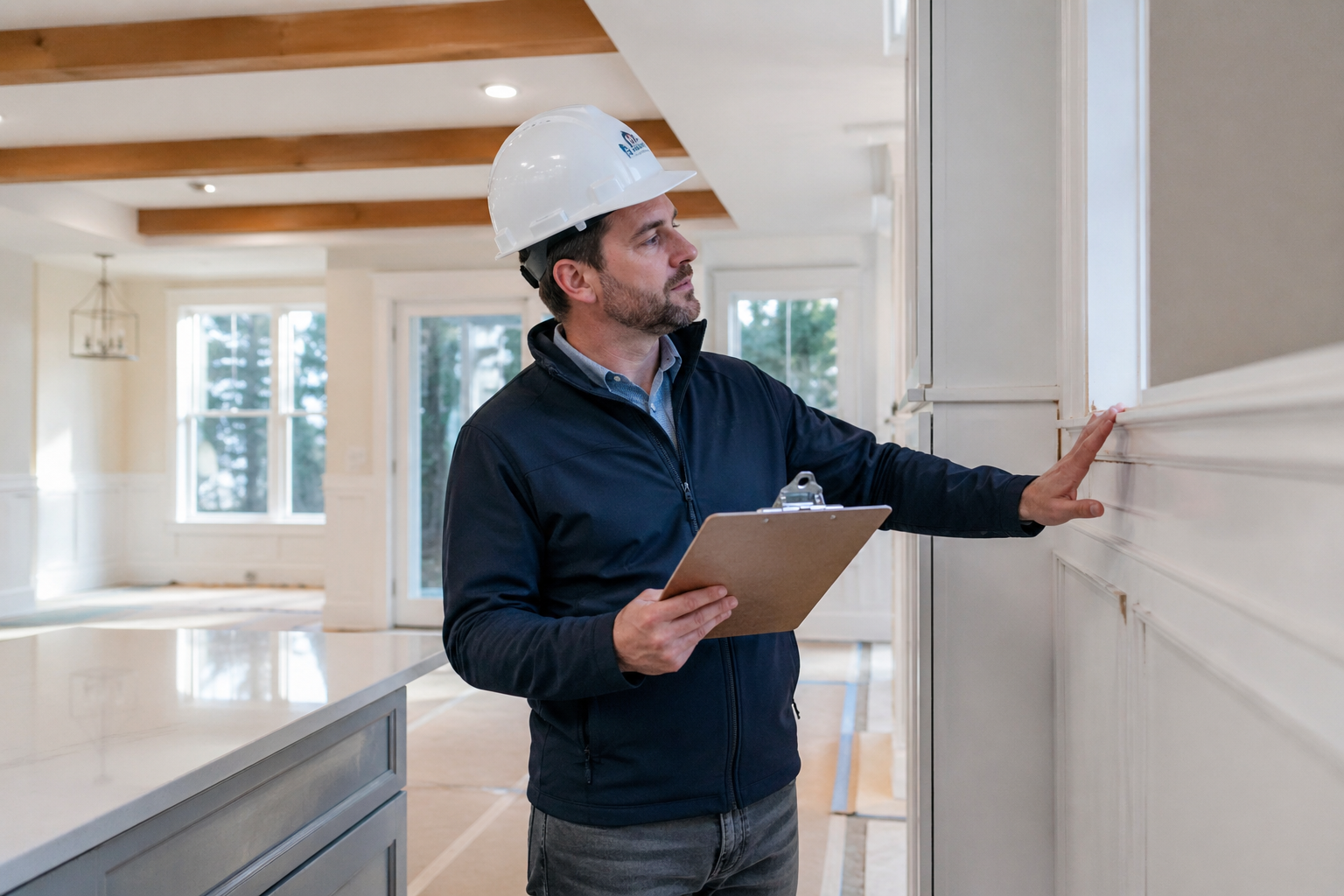
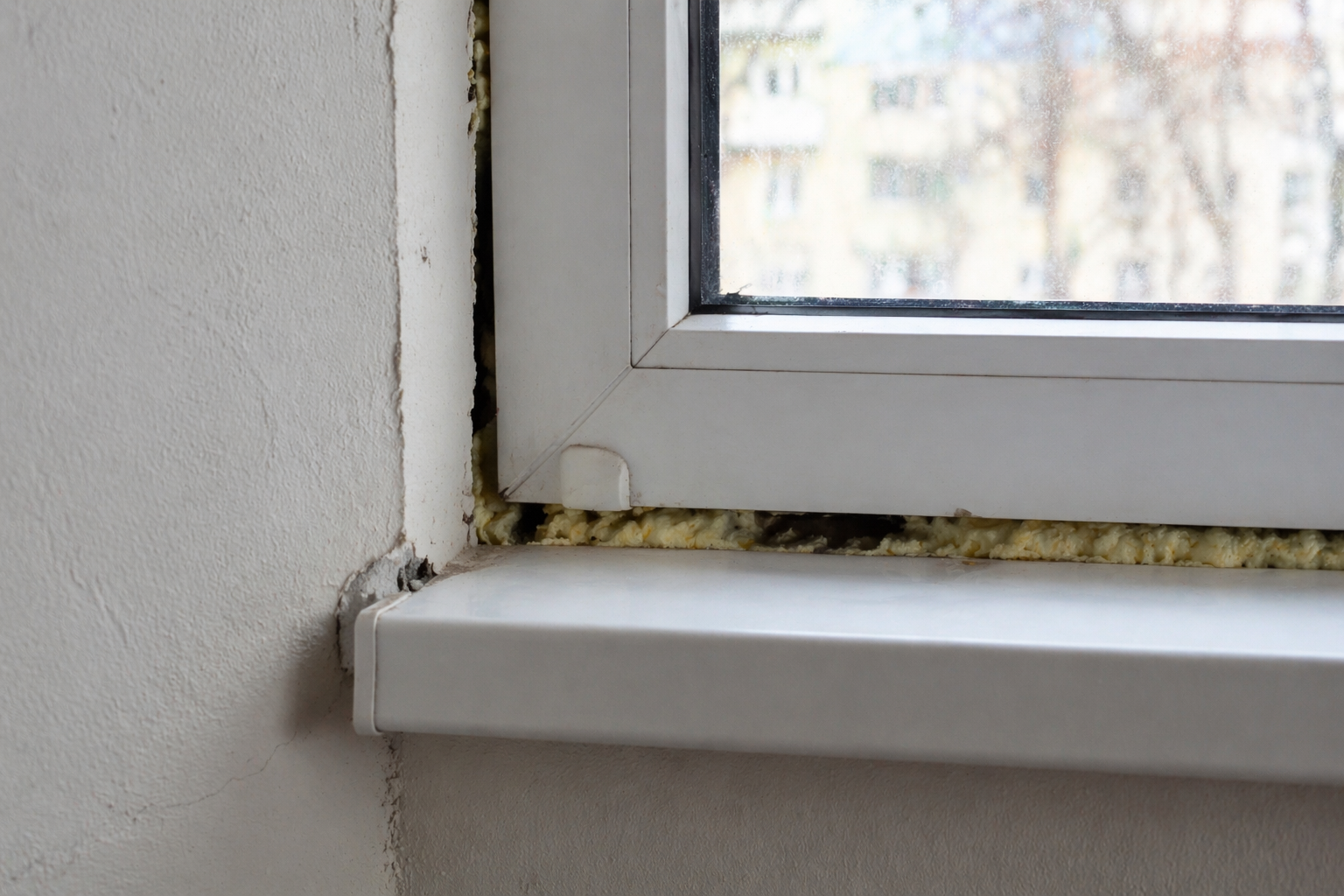
Older homes need special care, and residential painting is one of the best ways to protect and refresh them. Paint does more than improve looks. It helps seal surfaces, prevent damage, and extend the life of your home. With the right steps, you can get a clean, lasting finish that fits the age and style of your property.
Why Residential Painting Matters for Older Homes
Older homes often have worn surfaces, small cracks, and past repairs. Residential painting helps cover these flaws while adding a protective layer. It also keeps moisture out, which helps prevent mold and rot.
Fresh paint can also raise property value. A clean exterior or updated interior makes the home feel well cared for. This matters if you plan to sell or simply want a better space to live in.
Preparing for Residential Painting the Right Way
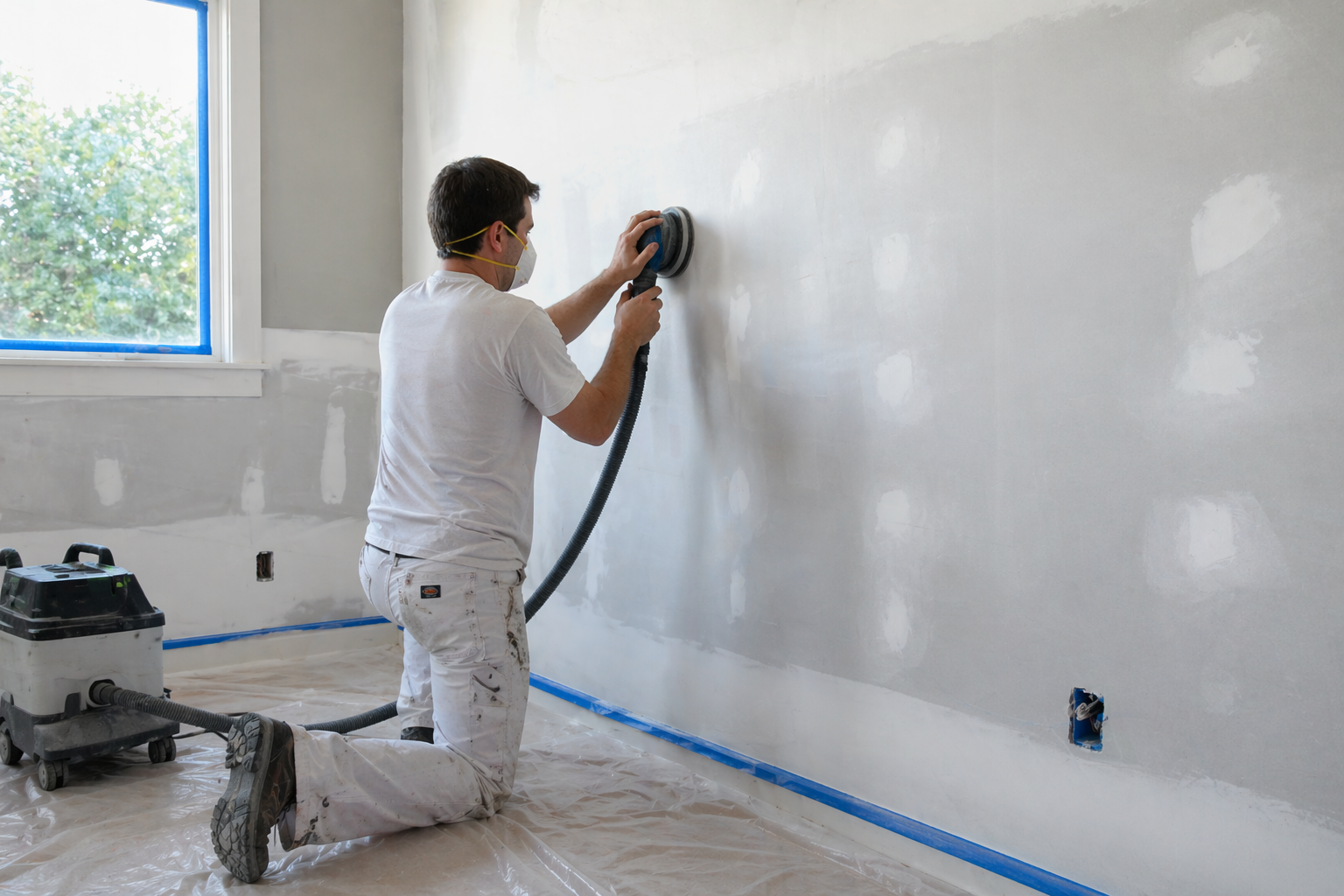
Preparation is the most important step in any residential painting project, especially for older homes. Skipping prep leads to peeling and uneven results.
Key prep steps include:
- Cleaning surfaces to remove dirt and dust
- Scraping off old or peeling paint
- Sanding rough areas for a smooth base
- Filling cracks and holes
- Applying primer for better paint hold
Taking time here ensures the new paint sticks well and lasts longer.
Common Issues in Residential Painting Projects
Older homes come with unique challenges. Knowing what to expect helps avoid problems during residential painting.
Some common issues include:
- Lead-based paint: Homes built before 1978 may have it
- Moisture damage: Can cause bubbling or peeling
- Uneven surfaces: Old repairs may show through the paint
- Wood rot: Needs fixing before painting
A professional team can inspect these issues and fix them before applying new paint.
Choosing the Best Paint for Residential Painting
Not all paints work well for older homes. The right choice depends on the surface and location.
For residential painting, consider:
- High-quality exterior paint for weather protection
- Breathable paint that lets moisture escape
- Durable finishes for high-traffic indoor areas
- Colors that match the home’s style and age
Good paint may cost more, but it lasts longer and saves money over time.
Interior Residential Painting Tips for Older Spaces
Interior residential painting can make old rooms feel new again. Light colors can make small rooms look bigger, while soft tones create a calm feel.
Helpful tips:
- Use primer to cover stains or dark colors
- Choose washable paint for easy cleaning
- Fix wall damage before painting
- Keep trim and ceilings clean and bright
These steps help create a smooth, fresh look inside your home.
Exterior Residential Painting for Long-Term Protection
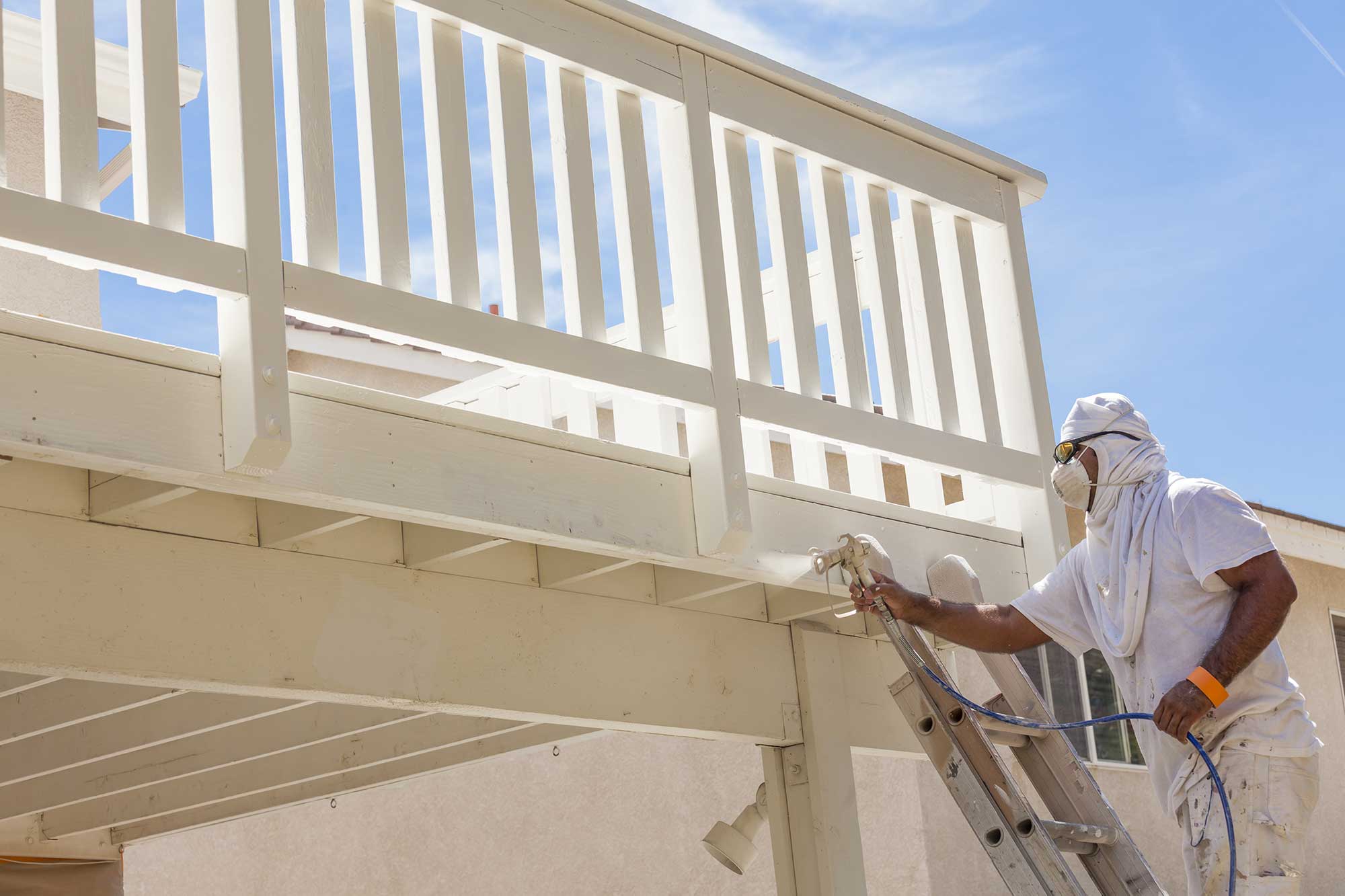
Exterior residential painting protects your home from the sun, rain, and wind. Older homes need durable coatings that stand the test of time.
Focus on:
- Sealing gaps around windows and doors
- Using weather-resistant paint
- Painting during the right season for the best results
- Maintaining siding and trim before painting
A well-done exterior job can last for years with proper care.
Alt Text: Residential painting services spraying exterior wood railing on an older home.
When to Call a Residential Painting Professional
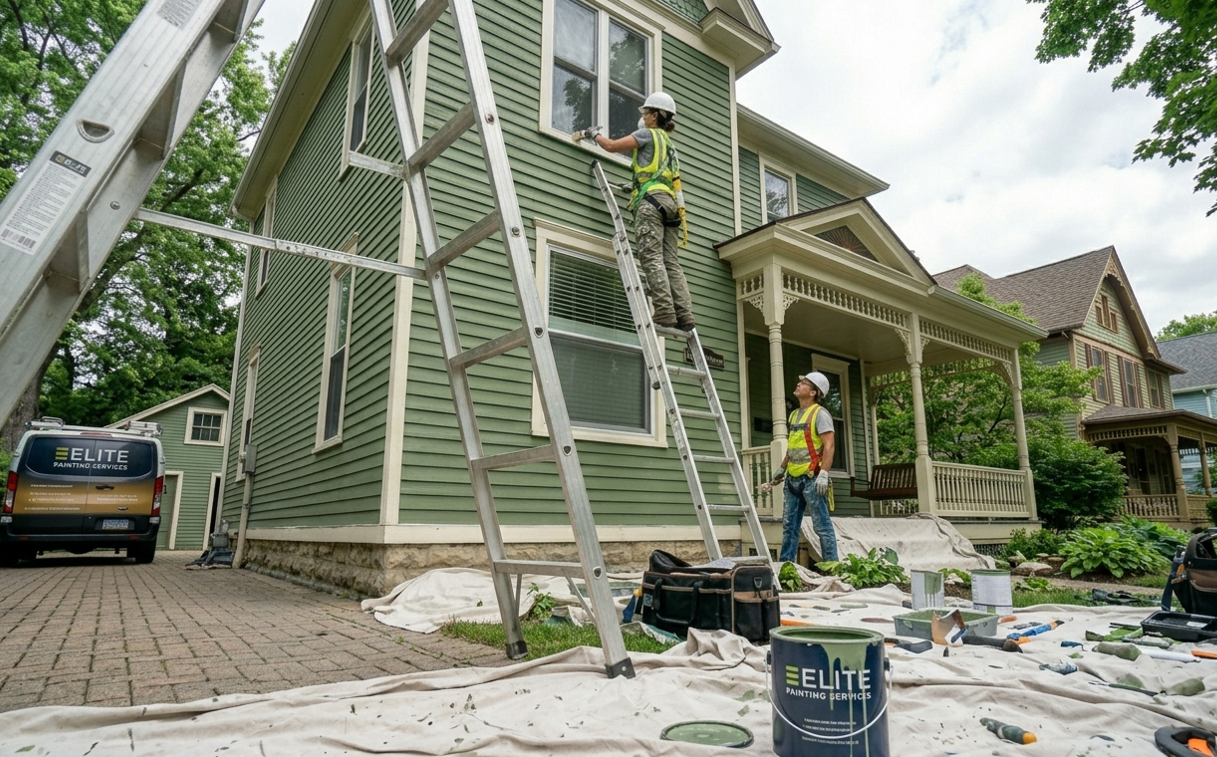
Some projects are best left to experts. Large areas, safety concerns, or old paint issues can make residential painting harder to handle alone.
Working with a pro ensures:
- Proper surface prep
- Safe handling of old materials
- Even, clean finishes
- Faster project completion
If you want reliable results, it helps to hire experienced painters.
Related Service to Support Your Project
Before painting, your home may need repairs or updates. Services like interior home renovation can fix surfaces, improve structure, and help your paint job last longer. These steps prepare your property for better results.
FAQ: Residential Painting for Older Homes
How often should older homes be painted?
Most homes need exterior painting every 5–10 years, depending on weather and materials.
Is primer always needed in residential painting?
Yes, especially for older homes. Primer helps paint stick and improves coverage.
Can I paint over old paint?
Only if it is in good condition. Peeling or damaged paint must be removed first.
What is the best season for exterior painting?
Mild, dry weather works best. Avoid very hot, cold, or wet days.
Final Thoughts on Residential Painting
Residential painting is one of the best ways to maintain and improve older homes. With proper prep, the right materials, and attention to detail, you can protect your property and enjoy a clean, updated look.
Taking the time to do it right now helps avoid repairs later. Whether inside or outside, a strong paint job adds value and extends the life of your home.
Get Started with Residential Painting Today
Ready to refresh your home with expert residential painting? D & J Tristate Contracting Inc delivers reliable results for older homes and modern spaces alike. Contact us to request a quote or schedule your project.
Want more helpful tips? Check out our blog page for more home improvement ideas.