Winter can be tough on brick, stone, and concrete, making masonry repair essential once temperatures rise. Freezing and thawing cycles can crack surfaces, loosen mortar, and allow water to seep deeper into your structure. If left untreated, even small issues can grow into larger problems that affect both safety and appearance. This guide explains how winter damage happens, what signs to watch for, and how masonry repair helps restore and protect your property for the long term.
How Winter Causes Masonry Damage
Cold weather creates the perfect conditions for damage. Water seeps into small gaps in masonry surfaces. When temperatures drop, that water freezes and expands. This expansion puts pressure on bricks, stone, and mortar, leading to cracks and separation. As the weather warms, the ice melts, leaving gaps where water can reenter. This cycle repeats many times throughout winter, causing gradual wear. Over time, the structure weakens, and visible damage begins to appear.
Common winter-related problems include:
- Cracked bricks or stones
- Crumbling or missing mortar joints
- Surface flaking (spalling)
- Loose or shifting structures
Understanding how damage starts helps property owners take action early and avoid costly repairs.
Signs You Need Masonry Repair After Winter
It is important to spot problems early. Quick masonry repair prevents further damage and keeps your property safe and stable.
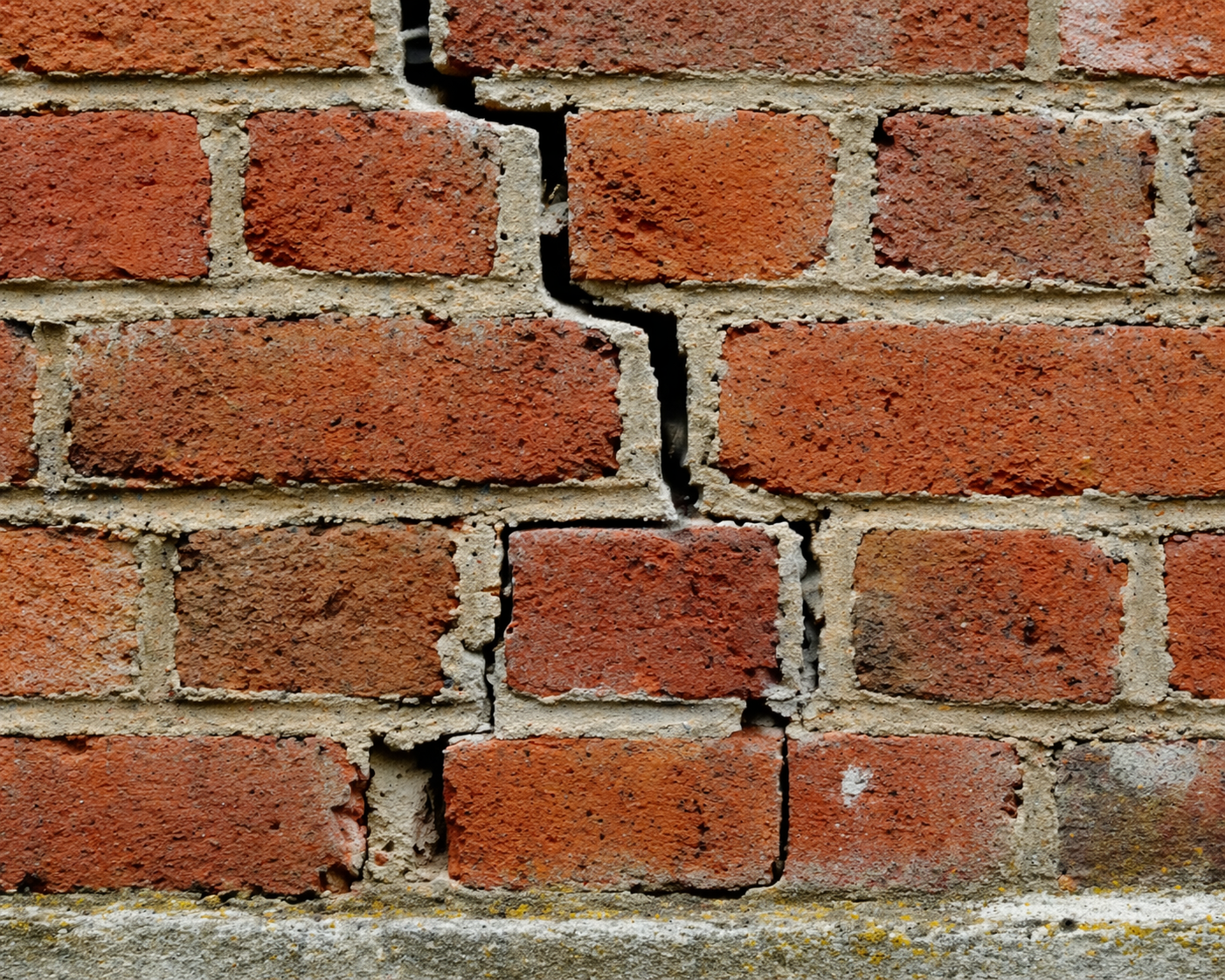
Look for these warning signs:
- Visible cracks in bricks or concrete
- Mortar joints that look worn or missing
- White residue (efflorescence) on surfaces
- Bulging or leaning walls
- Water stains near masonry areas
Some issues may be easy to see, while others develop slowly. Even small cracks can allow water inside, leading to bigger problems later. A simple inspection after winter can make a big difference in maintaining your property.
Masonry Repair for Cracks and Surface Damage
Cracks are one of the most common issues after winter. They may start small, but they can quickly spread if moisture continues to enter the material.
Professional masonry repair for cracks may include:
- Filling small cracks with durable sealants
- Replacing damaged bricks or stones
- Reinforcing weakened sections of the wall
Repairing cracks early helps stop water from entering and protects the structure from further stress. It also improves the surface’s overall appearance, making it look clean and well-maintained.
Masonry Repair for Mortar Joint Restoration
Mortar plays a key role in holding masonry together. When mortar begins to break down, the entire structure becomes less stable.
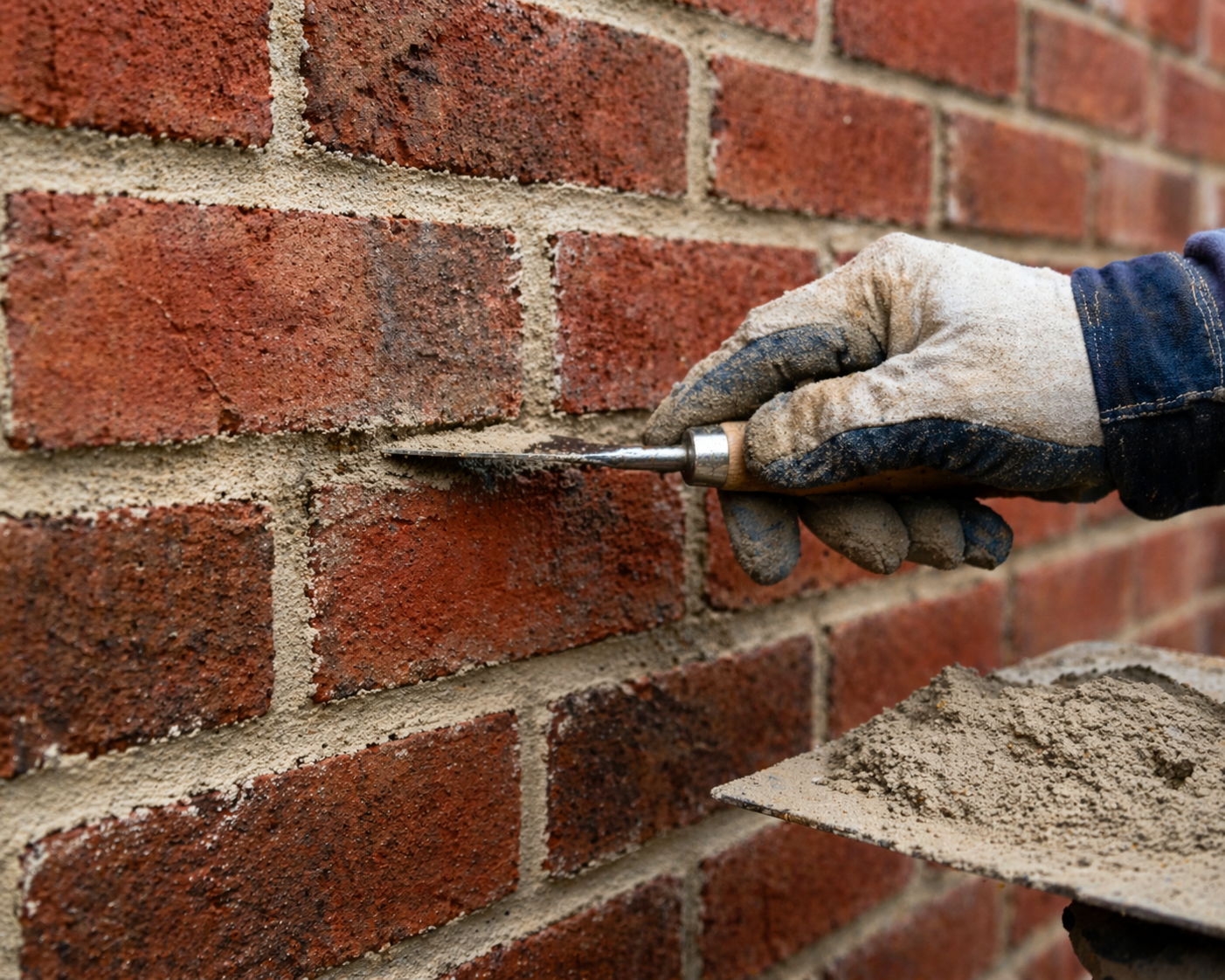
One of the most effective masonry repair methods is tuckpointing. This process involves:
- Removing old or damaged mortar
- Applying new mortar that matches the original color
- Sealing the joints to prevent moisture entry
Tuckpointing not only restores strength but also improves the look of your masonry. Fresh mortar lines give walls a neat and uniform appearance while helping extend the life of the structure.
Masonry Repair to Prevent Water Damage
Water is one of the main causes of masonry damage. After winter, it is important to take steps that protect your surfaces from future moisture exposure.
Preventive masonry repair steps include:
- Applying waterproof sealants to surfaces
- Fixing drainage issues around the property
- Repairing cracks and joints before sealing
These steps help reduce water penetration and prevent the freeze-thaw cycle from causing further damage. Proper protection ensures your masonry stays strong through changing seasons.
Why Professional Masonry Repair Matters
While some repairs may seem simple, proper masonry repair requires skill and attention to detail. A trained professional can identify hidden damage and apply the right solutions for long-term results.
Benefits of hiring a professional include:
- Accurate inspection of all affected areas
- Use of high-quality materials
- Proper repair techniques for lasting results
- Improved safety and structural stability
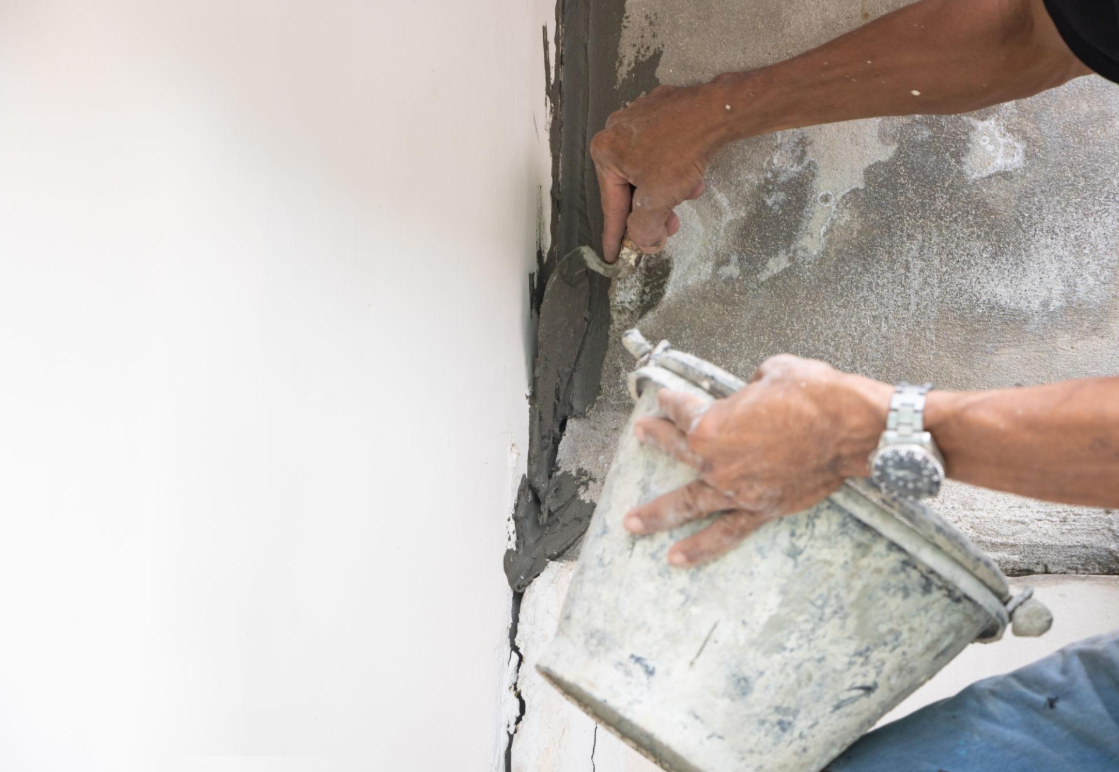
Long-Term Maintenance After Masonry Repair
After completing masonry repair, regular maintenance helps prevent new problems from developing. Keeping up with simple care routines can extend the life of your structure.
Recommended maintenance steps:
- Inspect masonry surfaces each season
- Keep gutters and drainage systems clear
- Apply sealants every few years
- Address small cracks as soon as they appear
Taking these steps reduces the risk of serious damage and helps maintain the appearance and strength of your property.
FAQs About Masonry Repair After Winter
How soon should I schedule masonry repair after winter?
It is best to inspect your property in early spring. Scheduling masonry repair right away helps prevent further damage.
Can small cracks wait for later masonry repair?
Small cracks may seem minor, but they can grow over time. Early masonry repair helps prevent larger, more expensive issues.
How long does masonry repair last?
With proper materials and maintenance, masonry repair can last many years and continue to protect your structure.
Is masonry repair expensive?
Costs depend on the level of damage. Fixing issues early is usually more affordable than waiting until the damage becomes severe.
Restore and Protect Your Property with Masonry Repair
Winter damage does not have to lead to long-term problems. With timely masonry repair, you can restore strength, improve appearance, and prevent future issues. Taking action early helps protect your investment and keeps your property in great condition year-round. Working with D & J Tristate Contracting Inc ensures your masonry repair is handled with care and precision, helping protect your property for years to come. Contact us to schedule your masonry repair service, including minor brick repair and restoration work.. Visit our blog page for more helpful home improvement tips.