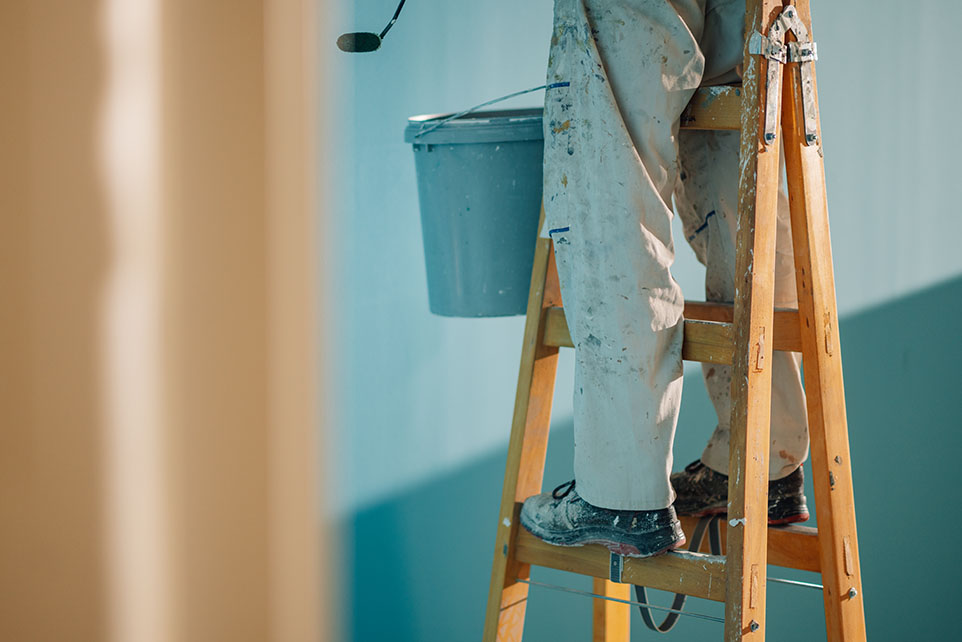
Interior painting plays a major role in how your home looks, feels, and ages over time. Many homeowners wait too long before updating their walls, which can lead to faded colors, surface damage, and a dull interior. Knowing when to refresh your paint helps protect your home and keep it looking clean and updated.
This guide explains the most common signs that interior painting is needed and how acting early can improve both appearance and value.
Interior Painting for Faded or Dull Walls
Paint naturally fades over time due to sunlight, indoor lighting, and daily wear. Rooms with large windows or bright exposure tend to show fading faster.
Look for:
- Uneven color patches
- Walls that look washed out
- Areas lighter than covered sections behind furniture
If your walls no longer reflect their original shade, interior painting can restore warmth and depth to the space.
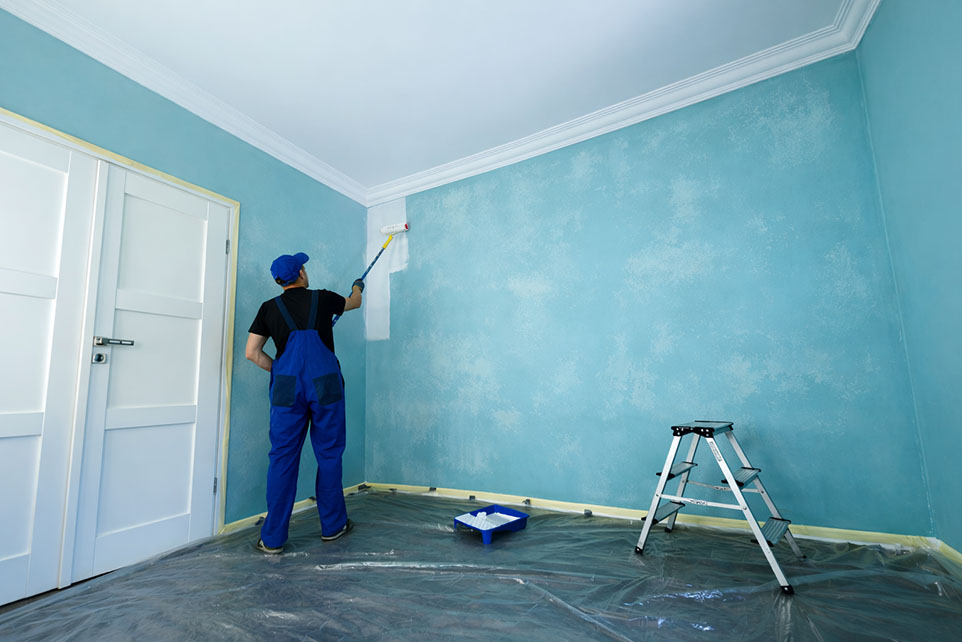
Refreshing faded walls instantly improves the room without major renovation.
Interior Painting for Peeling or Cracking Paint
Peeling, cracking, or bubbling paint is more than a cosmetic issue. It often signals:
- Moisture problems
- Poor previous preparation
- Aging paint layers
When paint loses adhesion, it can expose drywall or plaster underneath. Interior painting with proper surface preparation fixes these problems and prevents further damage.
If left untreated, peeling paint spreads and becomes harder to repair.
Stains That Interior Painting Cannot Hide
Walls collect stains over time. Common causes include:
- Water leaks
- Smoke residue
- Cooking grease
- Crayon or marker marks
- Furniture scuffs
While small marks can sometimes be cleaned, deep stains often soak into the paint. Interior painting with primer blocks these stains and restores a clean finish.
If you find yourself constantly touching up the same area, it may be time for a full repaint.
For professional help, visit our Residential Painting page to learn more.
Interior Painting Before Selling Your Home
If you plan to sell, interior painting is one of the most cost-effective updates you can make. Fresh neutral tones make spaces feel:
- Larger
- Brighter
- Cleaner
- More move-in ready
Buyers often judge a home quickly. Scuffed or outdated walls can lower perceived value. A professional repaint improves first impressions and helps listings stand out.
You can also explore our Home Improvement Services to see how paint works with other updates.
Outdated Colors and Style Changes
Design trends shift over time. Colors popular ten years ago may now feel heavy or dark. Even if paint is not damaged, outdated shades can make a home feel older than it is.
Interior painting allows you to:
- Modernize your space
- Brighten dark rooms
- Create a calm atmosphere
- Match new furniture or flooring
Small color updates can transform the entire mood of a room without major construction.
Frequent Touch-Ups Signal Interior Painting
If you constantly patch small spots, repaint corners, or fix scuffs, it may be more efficient to repaint the entire area.
Signs include:
- Multiple color mismatches
- Patchy wall texture
- Uneven sheen
A full interior painting project creates a smooth, consistent finish. It also ensures durability when high-quality paint is used.
Interior Painting After Renovations
Renovation projects often damage walls. Even minor upgrades like window replacement or drywall repair leave marks.
After projects such as:
- Window installation
- Minor brick repair
- Masonry updates
Interior painting restores a polished look and blends repairs seamlessly.
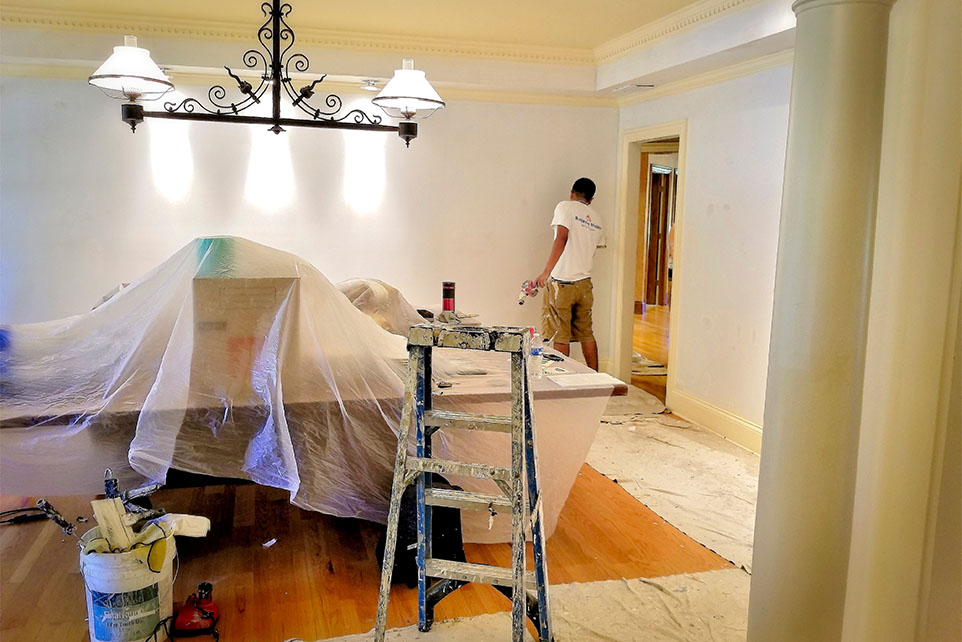
Paint is often the final step that makes renovation work look complete.
How Often Should Interior Painting Be Done?
While every home is different, general guidelines include:
- Living rooms: every 5–7 years
- Bedrooms: every 5–8 years
- Kitchens and bathrooms: every 3–5 years
- Hallways: every 3–4 years
High-traffic areas need more frequent updates due to wear.
Interior Painting Benefits Beyond Appearance
Interior painting does more than improve looks.
Benefits include:
- Protection against moisture
- Easier wall cleaning
- Improved indoor brightness
- Increased home value
Quality paint acts as a protective layer that extends wall life.
FAQ: Interior Painting Questions
How do I know if I need full interior painting?
If fading, peeling, stains, or frequent touch-ups are visible, a full repaint is often the best solution.
Can interior painting fix small cracks?
Paint can cover hairline cracks after proper surface repair. Larger cracks require patching first.
Does interior painting increase home value?
Yes. Fresh paint improves buyer appeal and helps homes show better during viewings.
How long does interior painting last?
Most rooms last 5–8 years depending on traffic, sunlight, and humidity.
Don’t Wait Too Long for Interior Painting
Interior painting keeps your home looking clean, bright, and protected. Waiting too long can lead to peeling surfaces, stains, and costly repairs. Whether you notice fading colors or plan to sell your home, repainting at the right time makes a big difference.
Fresh walls improve daily comfort and long-term value.
Upgrade Your Home with Interior Painting
Ready to refresh your space? Contact D & J Tristate Contracting Inc today to schedule professional interior painting Services. Our team delivers clean finishes and long-lasting results.
Have questions first? Visit our blog page for more helpful tips or contact us to get started.